Milan: The City That Detached Itself
How Italy's industrial capital became an institutional real estate market.
Milan has always been Italy's most practical city. Rome carries the state. Florence carries memory. Venice carries myth. Milan carries work.
That is why its real estate story is so revealing. Milan is not simply beautiful, although it often is. It is not simply fashionable, although fashion remains one of its most powerful economic languages. Milan matters because it has learned to convert design, industry, finance, education and urban regeneration into a property market that international capital can understand.
The city now behaves less like a provincial Italian market and more like a Northern European gateway city. Porta Nuova, CityLife, the transformation of former railway yards, the rise of student housing, luxury hospitality, modern offices and high-street retail have all helped Milan detach itself from the slower rhythm of the Italian economy around it.
That contradiction is the heart of the story. Italy has spent decades struggling with low growth, weak productivity and demographic pressure. Milan, meanwhile, has increasingly priced itself as a city of scarcity, talent and institutional confidence.
The Industrial City That Became Investable
Milan's real estate market did not become institutional by accident. The city has long been Italy's commercial engine: a place of banks, fairs, manufacturers, publishers, luxury houses and professional services. But the modern investability of Milan required more than economic history. It required a new urban language.
For years, Italian real estate was often perceived internationally as fragmented, family-owned, bureaucratic and difficult to scale. Milan changed that perception by producing districts that looked legible to global investors: mixed-use, professionally managed, transit-oriented and capable of attracting multinational tenants.
Porta Nuova became the clearest symbol of that shift. What was once a complex urban void around railway infrastructure became a new skyline of offices, residences, retail and public space. CityLife followed a similar logic: a former fairground transformed into towers, apartments, parks and branded urban identity. These projects gave Milan a visual and financial grammar that institutions could price.
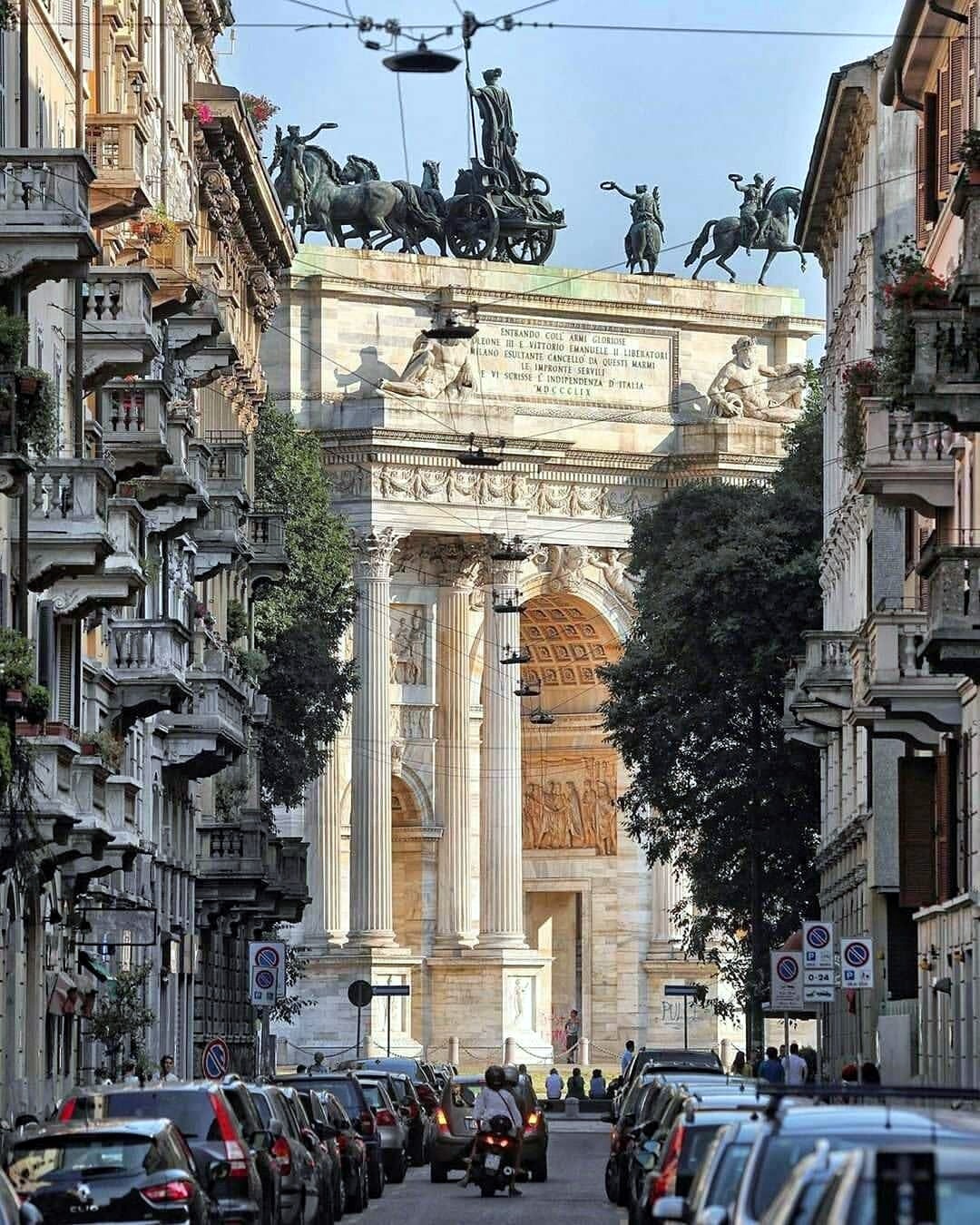
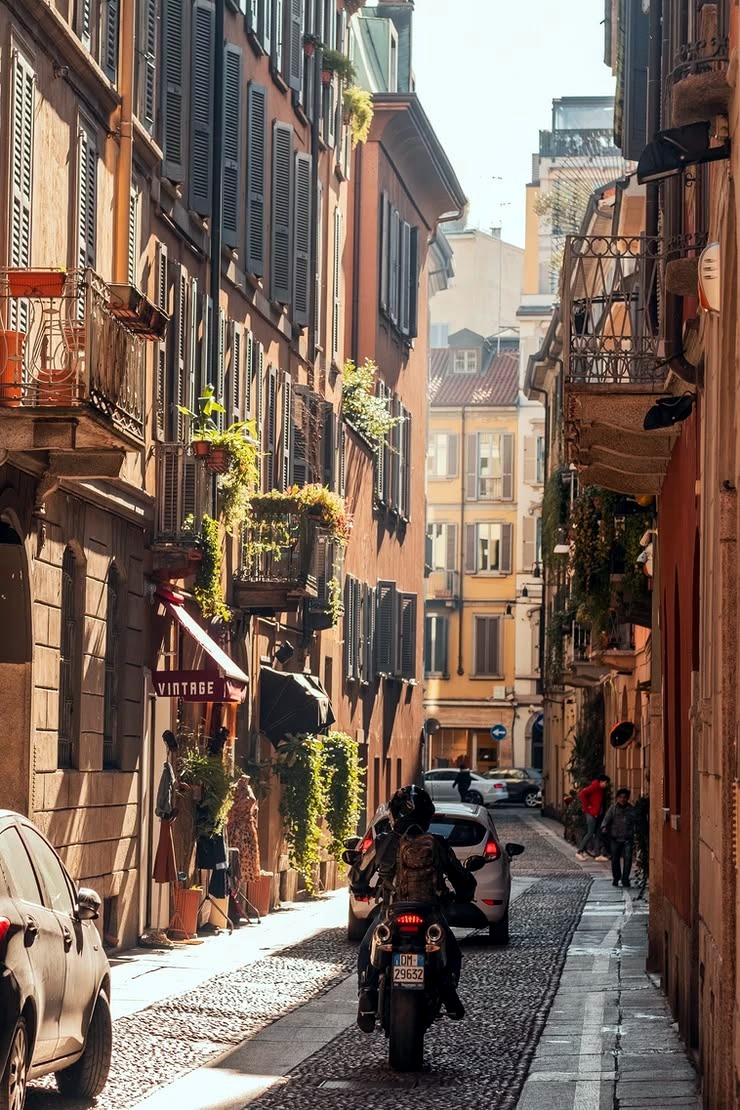
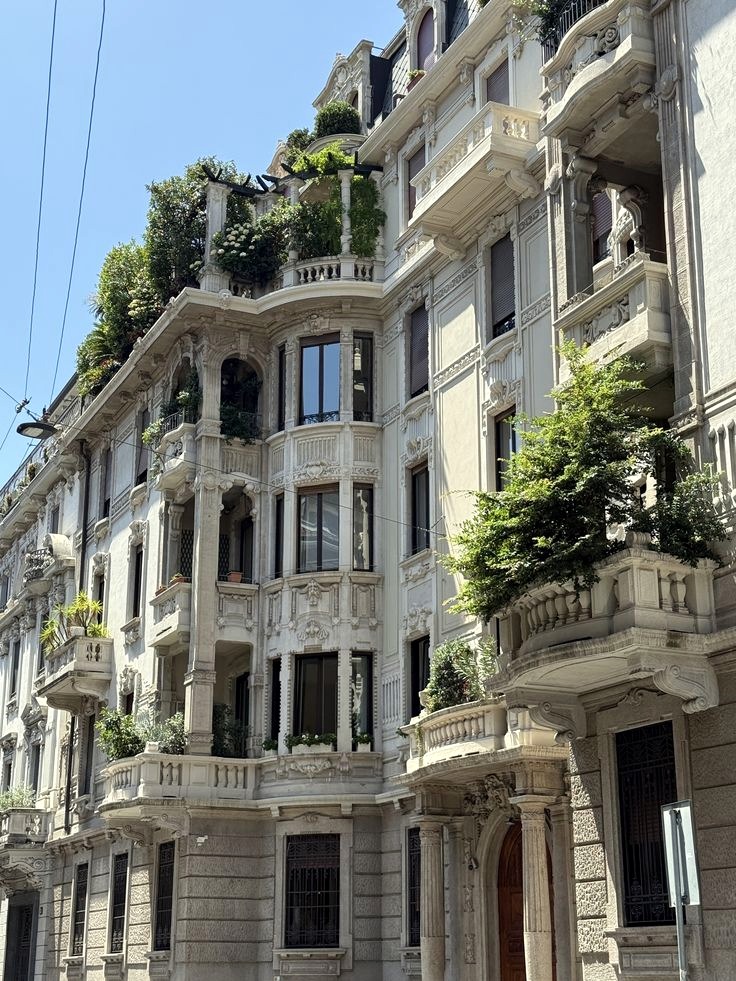
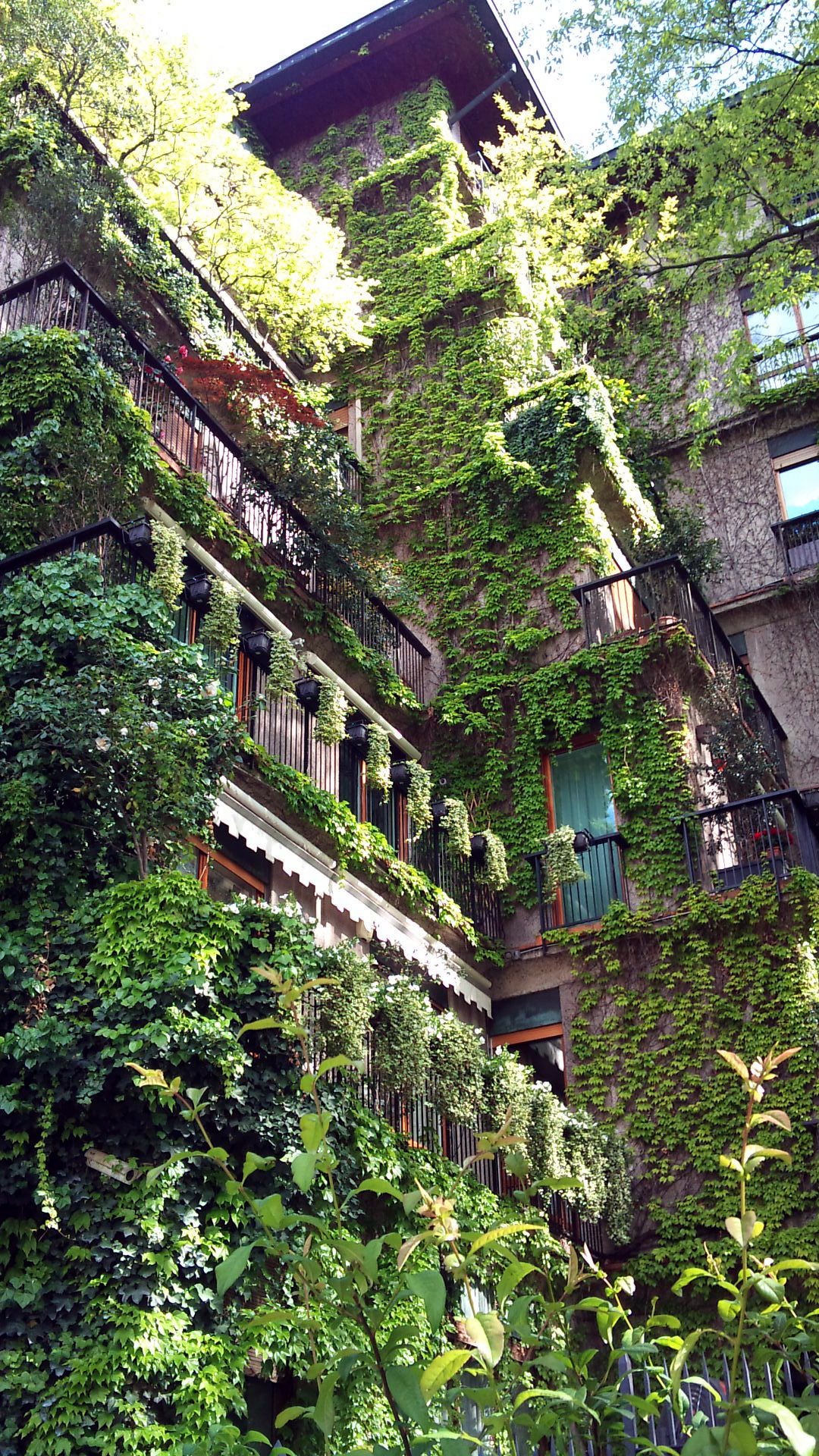
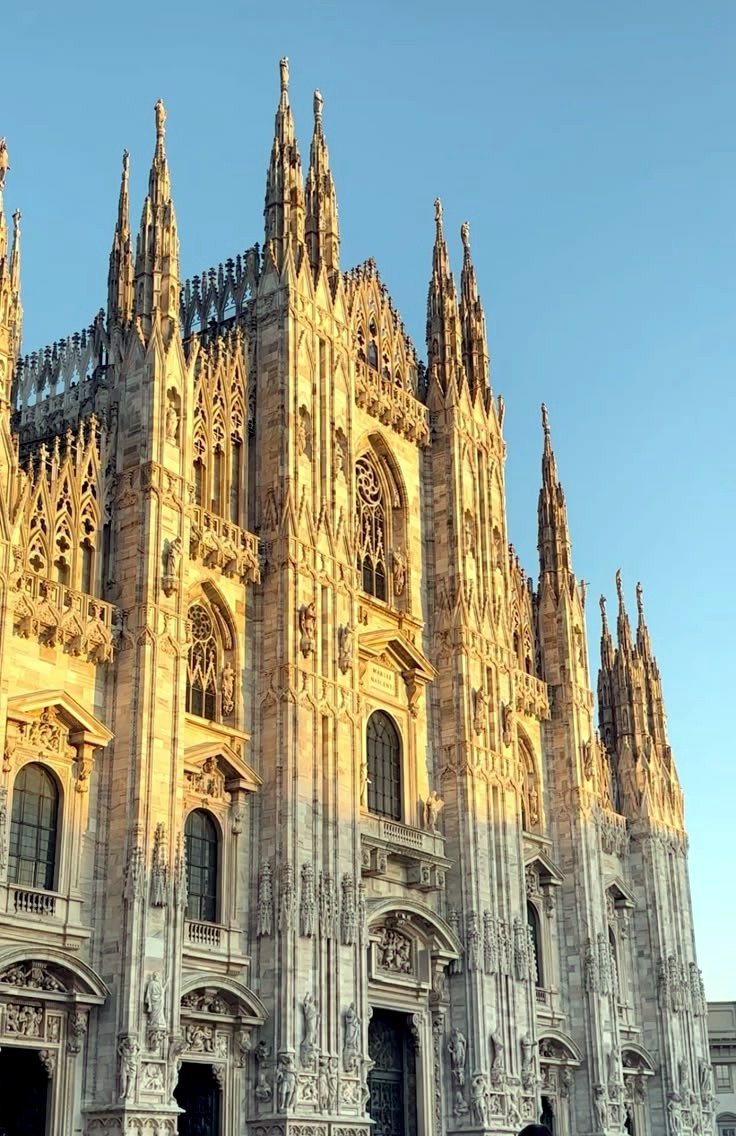
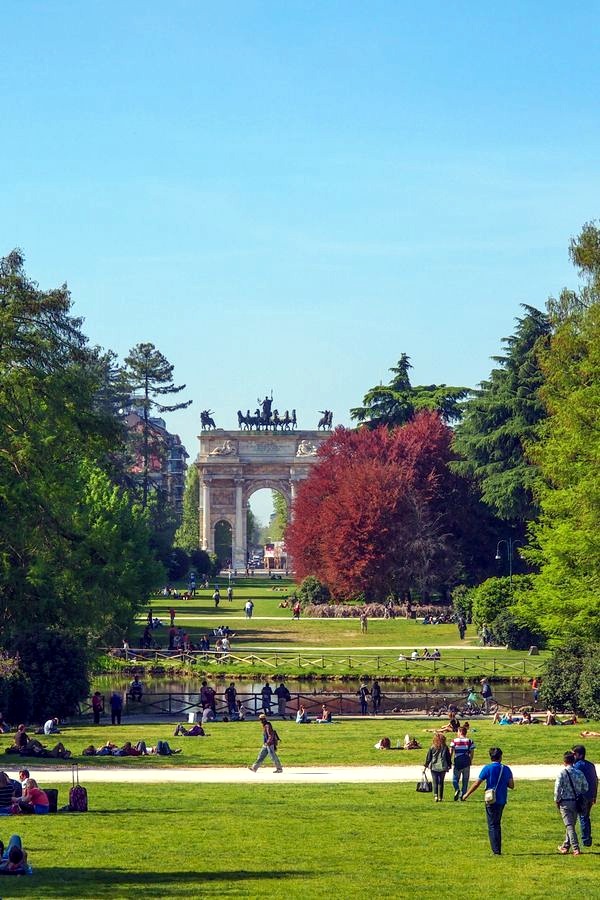
The images in this article move between the city's two faces: monumental Milan, framed by the Arco della Pace and the Duomo, and residential Milan, where ornate balconies, shaded courtyards and ivy-covered facades turn private domestic life into cultural capital. Milan sells office yield, but it also sells atmosphere.
The Capital That Found Its Market
The numbers explain why the city now belongs in any serious conversation about European real estate. JLL reported that Italian real estate investment volumes reached approximately EUR 7.8 billion in the first half of 2026, a 34% increase year-on-year, including developments and share deals. International investors accounted for 75% of total investment volumes, above the ten-year average (JLL, 2026a).
Milan sits at the centre of that institutionalisation. In the office sector, JLL reported that Milan recorded about 134,000 square metres of leasing take-up in H1 2026 and led Italy's office investment market with approximately EUR 600 million, equal to 52% of national office volumes (JLL, 2026b).
The significance is not just the volume. It is the composition of demand. Investors are no longer only buying Italy as a lifestyle or distressed opportunity. They are buying Milan as a structured market: offices, retail, logistics, living, hospitality and regeneration projects that can fit into international portfolio strategies.
CBRE described the Italian investment market as entering a more mature phase, supported by larger transactions, a broader investor base and increasing attention to quality and diversification (CBRE, 2026a). That language matters. It suggests that Italy's real estate market is becoming more institutional not because it has become easy, but because the most liquid parts of it have become more professional.
The Paradox Of Milan And Italy
Milan's rise is inseparable from Italy's economic weakness.
In a faster-growing national economy, Milan might simply be one successful city among many. But because Italy's broader growth has been slow for so long, Milan appears more exceptional. It concentrates headquarters, design talent, luxury retail, finance, universities, media, consulting and global visitors into a relatively small urban geography.
That concentration creates scarcity. The best office space, the best streets, the best residential addresses and the most visible retail corridors do not expand easily. Via Montenapoleone, Brera, Porta Nuova, CityLife, the historic centre and selected residential neighbourhoods operate almost like separate asset classes within the city.
The result is a market that can feel detached from national averages. A country may grow slowly while its strongest city attracts capital, talent and pricing power. Milan is not immune to Italy's problems, but it has become the place where investors test whether Italy can still produce European-grade urban returns.
Luxury, Retail And The Price Of Address
Milan's luxury economy gives its property market a second engine. The city is not only a workplace. It is a stage for fashion, design, furniture, jewellery, art, hospitality and high-end consumption. That matters because retail streets are among the most symbolic forms of real estate. They turn address into brand equity.
The recent attention around trophy assets on Via Montenapoleone shows how luxury retail has become a financial instrument as much as a commercial one. Colliers highlighted the landmark transaction involving Via Montenapoleone 8 as one of the most significant deals in Italy's H1 2026 investment market, underlining the importance of Milan's luxury core in attracting high-value capital (Colliers, 2026a).
This is where Milan differs from many office-led markets. Its value is not only derived from corporate occupation. It is also derived from cultural visibility. A building in central Milan can carry the value of fashion week, design week, tourism, heritage, retail and institutional ownership at the same time.
The city therefore trades on both income and image. An office in Porta Nuova is one story. A boutique near the Quadrilatero della Moda is another. A restored palazzo in Brera is a third. Milan's strength is that all three stories reinforce each other.
Regeneration As Economic Strategy
Milan's modern real estate story is also a story of regeneration. Unlike cities that rely mainly on peripheral sprawl, Milan has repeatedly turned underused urban land into new districts of value. That is why its skyline feels intentional rather than accidental.
Porta Nuova and CityLife made the shift visible. But the broader logic continues through railway-yard redevelopment, student housing, hospitality conversions and mixed-use projects. These projects are not just construction sites. They are mechanisms through which Milan upgrades its economic function.
Regeneration matters because it allows the city to create institutional product without abandoning its historic identity. The modern towers do not erase the older Milan; they frame it. The images of Milan's streets, gardens, balconies and monuments remind us that the city's value still comes from layered urban experience rather than pure verticality.
A city that can combine heritage with new institutional stock has a rare advantage. It can satisfy global investors without becoming visually generic.
The Majlis Newsletter
Continue reading with us. New essays on markets, pipelines and capital, delivered as they publish.
The Office Market And The Quality Divide
Like London, Paris and Madrid, Milan is experiencing a sharper divide between prime assets and weaker stock. Companies may take less space than they once did, but they are more demanding about the space they keep. Location, energy performance, amenities, transit access and building quality increasingly determine whether an office is desirable or obsolete.
JLL reported that Milan's prime office yield remained around 4.0% in H1 2026, reflecting the resilience of well-located, high-quality assets (JLL, 2026a). CBRE's 2026 market outlook also emphasised that the Italian office leasing market has become more mature, selective and demanding, with occupiers focused on quality and efficiency (CBRE, 2026b).
That selectivity is reshaping the city. The question is no longer whether offices are dead. The better question is which offices deserve to exist at premium rents. Milan's answer is clear: efficient, central, sustainable and connected buildings will command capital. Secondary assets must either be repositioned or risk being left behind.
In that sense, Milan's office market is not just a financial story. It is an architectural one. Buildings now have to prove that they can participate in the future of work.
Living, Students And The Pressure Of Success
Milan's investability has consequences. As the city attracts more students, workers, visitors and international capital, residential pressure becomes harder to ignore. Rents have risen, affordability has become a political issue, and the gap between Milan and many other Italian cities has widened.
The rise of purpose-built student accommodation, hospitality and professionally managed living reflects a real demand base. Milan's universities, design schools and business ecosystem attract young people from across Italy and abroad. But the same demand that makes the city investable can also make it socially fragile.
A successful city can price out the very people who give it energy. Students, young professionals, artists, designers and service workers all contribute to Milan's appeal, yet they are often the first to feel the pressure of rising rents and limited central supply.
This is the uncomfortable side of Milan's transformation. Institutionalisation can bring professionalism, capital and regeneration. But if not matched with housing supply and affordability policies, it can also turn the city into a curated surface: beautiful, liquid, investable and increasingly difficult to live in.
The Aesthetics Of Confidence
Milan's built environment communicates confidence in a quieter way than Dubai or Singapore. It does not need spectacle at every corner. Its authority comes from stone, balconies, arcades, courtyards, churches, shopfronts and disciplined urban streets.
The Duomo remains the city's spiritual and visual anchor. The Arco della Pace frames Milan as a European capital of ceremony. The ivy-covered residential facades speak to an older, more intimate form of urban wealth. The new towers, meanwhile, signal that Milan has not remained trapped in its past.
This mixture is economically powerful. Investors are not simply buying square metres. They are buying into a city whose identity feels durable. Milan's value is not only that it changes. It is that it changes without losing itself.
That is why the city works so well as a real estate narrative. Milan can be traditional and modern, Italian and international, industrial and luxurious, restrained and ambitious. Few cities manage that combination convincingly.
Conclusion: The City That Moved Faster Than Its Country
Milan's real estate market tells a larger European story: the strongest cities can detach from the economies around them.
Italy may struggle with low growth, demographic pressure and political complexity. Yet Milan continues to attract institutional capital because it offers something more specific than national optimism. It offers concentration: of talent, luxury, offices, education, retail, tourism and regeneration capacity.
The numbers show the shift. Italy attracted roughly EUR 7.8 billion in real estate investment in H1 2026, up 34% year-on-year, with international investors accounting for 75% of volumes (JLL, 2026a). Milan led the national office investment market with about EUR 600 million in H1 2026, capturing more than half of Italian office volumes (JLL, 2026b).
But Milan's deeper achievement is not numerical. It is structural. The city has turned itself into Italy's most legible institutional real estate market. It has created districts investors can understand, assets occupiers want, streets luxury capital recognises and an urban image that still feels authentically Milanese.
The contradiction remains: Italy grows slowly, but Milan increasingly behaves like a wealthy Northern European city. That is not a coincidence. It is the result of concentration, scarcity, design, regeneration and capital choosing the one Italian city that has made itself easiest to believe in.
Milan did not escape Italy. It simply moved faster than the country around it.
Key Takeaways
Capital flows H1 2026 volumes show renewed appetite for Italy, with international capital accounting for a major share of investment.
Quality divide Prime offices and high-quality assets attract capital, while weaker stock faces repositioning pressure.
Urban identity The city combines heritage, fashion, public space and new districts without becoming visually generic.
Social risk Rising rents and limited supply threaten the accessibility of the city for students, young professionals and service workers. -----------------------------------------------------------------------
References
- CBRE Italy. (2026a). Real estate investment market on the up in the first half of 2026. CBRE. https://www.cbre.it/en-gb/press-releases/real-estate-investment-market-on-the-up-in-the-first-half-of-2026
- CBRE Italy. (2026b). Italian real estate market outlook 2026. CBRE. https://www.cbre.it/en-gb/insights/reports/italian-real-estate-market-outlook-2026
- Colliers. (2026a). Italian real estate market hits all-time high in H1 2026: EUR 7.4 billion in investments. Colliers. https://www.colliers.com/en-it/news/investment-h1-2026
- Colliers. (2026b). Investment market snapshot H1 2026: Italy. Colliers. https://www.colliers.com/en-it/research/investment-h1-2026
- JLL. (2026a). Italy capital markets market dynamics: Q2 2026. JLL Research. https://www.jll.com/en-us/insights/market-dynamics/italy-capital-markets
- JLL. (2026b). Milan office market dynamics: Q2 2026. JLL Research. https://www.jll.com/en-us/insights/market-dynamics/milan-office
- JLL. (2026c). Italy office capital market dynamics: Q2 2026. JLL Research. https://www.jll.com/en-us/insights/market-dynamics/italy-office
- BNP Paribas Real Estate Italy. (2026). Market research: Italy property market reports. BNP Paribas Real Estate. https://www.realestate.bnpparibas.it/en/news-research/market-research
- House of Majlis | All rights reserved | Created 21 September 2026
© 2026 House of Majlis. All rights reserved.
Back to the archive