Miami: The Price of Paradise
How expensive can real estate become in a city increasingly exposed to climate risk?
How expensive can real estate become in a city increasingly exposed to climate risk?
The City That Turned Migration Into Momentum
Miami has always been skilled at selling sunlight. But since the pandemic, the city has started selling something more powerful: institutional permanence. What once looked like a glamorous coastal market, dependent on tourism, second homes and nightlife, has been repositioned as a serious destination for capital, companies and wealth.
The change is visible in the skyline. Brickell no longer reads only as a residential waterfront district with restaurants and towers. Increasingly, it functions as a financial address. Family offices, hedge funds, private-equity firms, law firms and technology companies have treated South Florida not merely as an escape from New York or Chicago, but as a place where business can be rebuilt around tax efficiency, lifestyle and talent migration.
That is why Miami belongs in this series. Its real-estate story is not just about price appreciation. It is about a city attempting to transform itself from resort metropolis into financial capital, while sitting on one of the most climate-exposed coastlines in the United States.
CBRE's South Florida 2026 midyear review captures the new polarity of the market. Prime submarkets such as Brickell and West Palm Beach have tightened dramatically, with a combined vacancy rate around 6% and best-in-class office rents above $150 per square foot. At the same time, older and weaker office buildings still face much higher vacancy, often above 20% in less competitive segments (CBRE, 2026a).
This is not the death of the office. It is the death of the mediocre office. Miami shows the same pattern that has appeared in London, Seoul and Singapore: capital is not abandoning real estate. It is becoming far more selective.
From Beach City to "Wall Street South"
The phrase "Wall Street South" can feel overused, but it captures a real shift. Citadel's decision to move its headquarters from Chicago to Miami became one of the symbolic moments in the city's post-pandemic repositioning. The move did not happen in isolation. It followed a wider flow of finance, technology, legal and wealth-management firms into South Florida, attracted by tax advantages, business-friendly policy, warmer weather and the social magnetism of Miami's luxury scene (Miami Herald, 2022).
Bloomberg has described the broader movement of assets and financial talent from New York and California toward Florida and other Sun Belt markets as one of the defining capital relocations of the post-pandemic period. The consequences are spatial as much as economic. The firms bring salaries. The salaries bring housing demand. Housing demand lifts rents and sale prices. Office demand tightens prime space. Restaurants, private clubs, schools, hotels and branded residences follow the money (Bloomberg, 2023).
In Brickell, this transformation is especially legible. The glass towers, valet entrances and waterfront condo projects are not simply lifestyle infrastructure. They are part of a financial ecosystem: homes within walking distance of offices, offices within walking distance of luxury hospitality, and hospitality designed for a mobile class of executives who increasingly treat Miami as a base rather than a weekend destination.
The Architecture of a Tropical Financial City
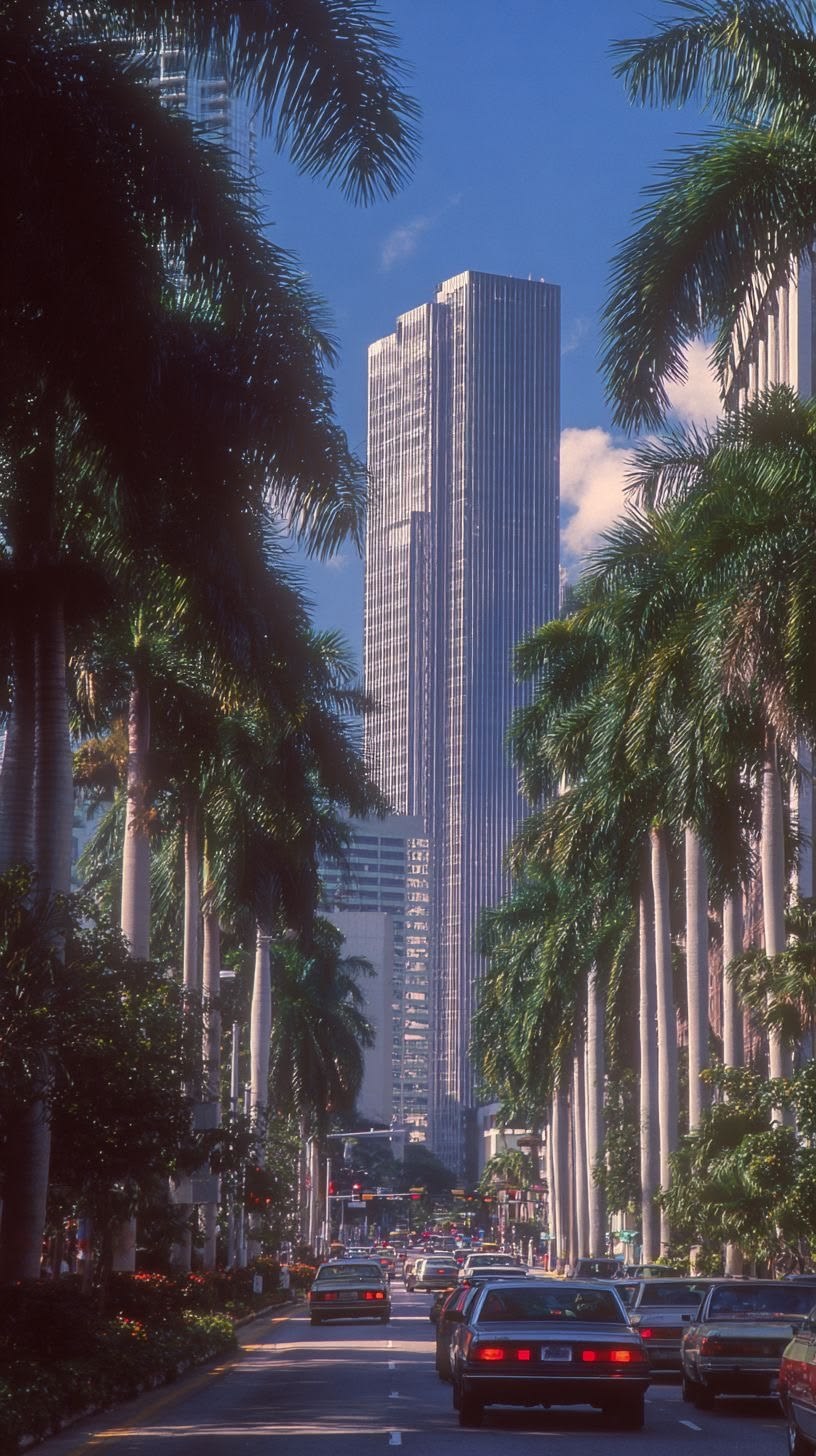
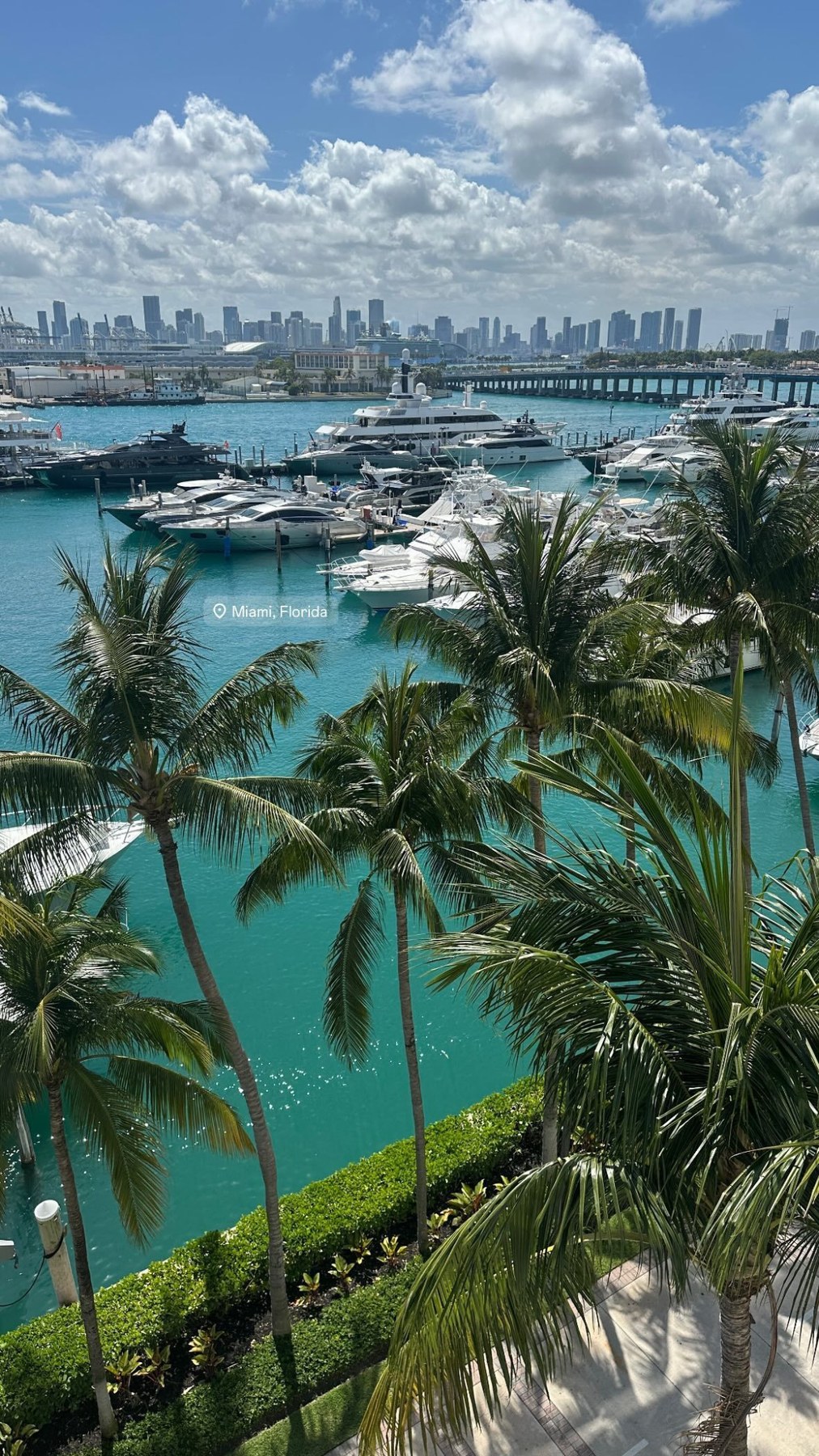
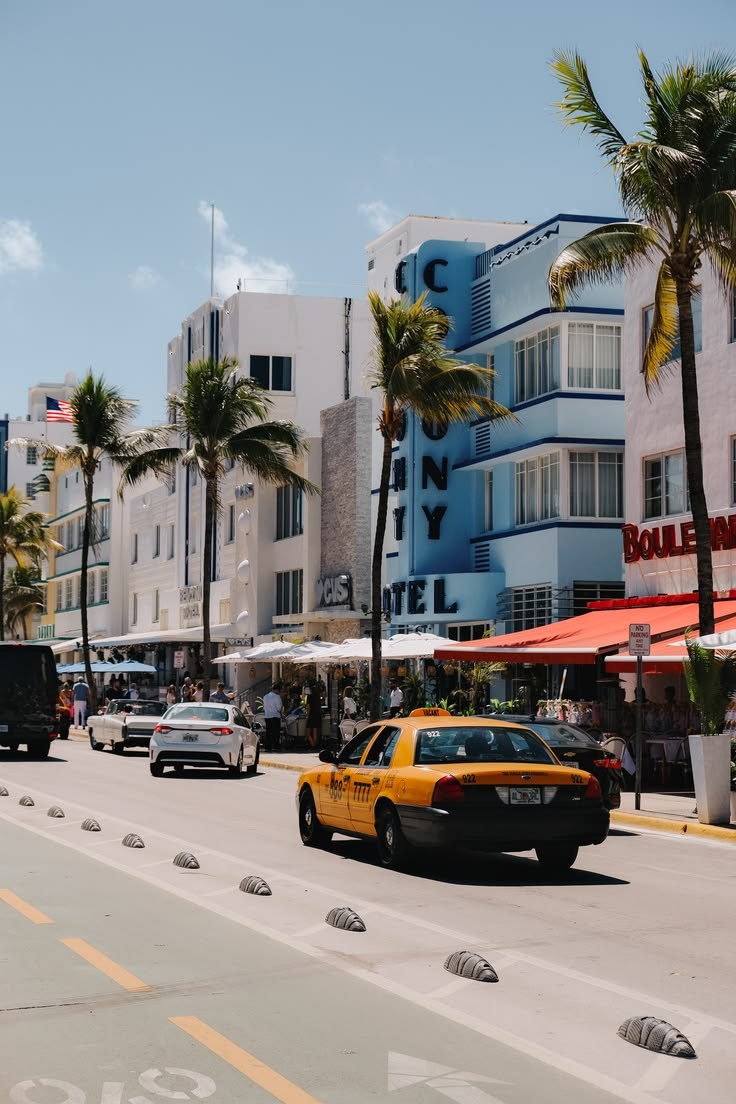
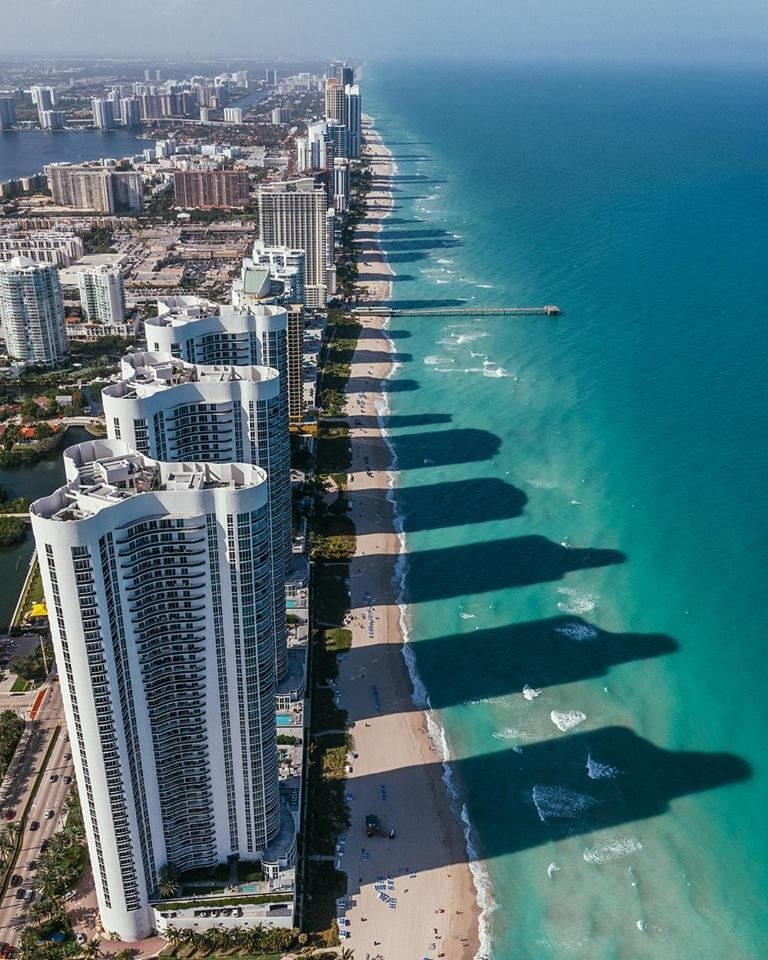
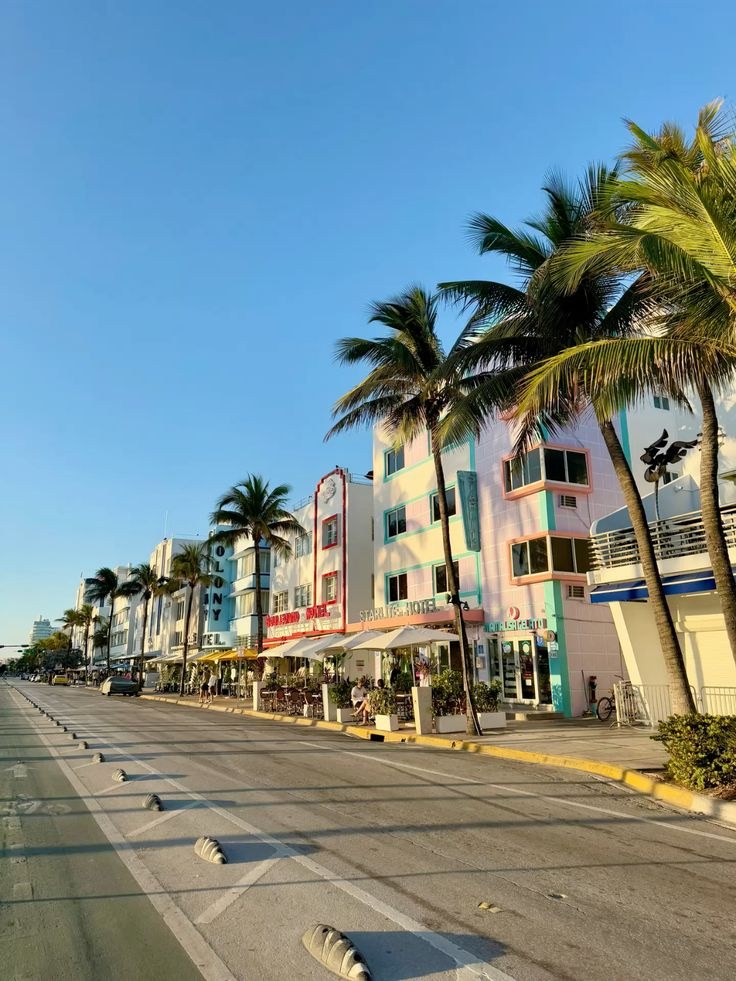
Miami's architectural identity is different from New York, London or Dubai. It is not defined only by height or monumentality. It is defined by exposure: palm-lined boulevards, white hotel façades, pastel Art Deco, towers casting shadows over turquoise water, and glass residential slabs that market the horizon as an amenity.
The images in this article show two Miamis at once. One is the playful, low-rise Miami Beach of hotels, palms, awnings and sunlight. The other is the vertical Miami of Brickell and the waterfront, where towers compete for views, prestige and proximity to capital. Their coexistence is the city's appeal. Miami can feel both resort and financial centre, both leisure landscape and institutional market.
That visual contradiction is commercially valuable. A company that moves to Miami can tell itself a lifestyle story. A buyer who purchases a condo can tell themselves an investment story. A developer can sell both stories at once.
The Majlis Newsletter
Continue reading with us. New essays on markets, pipelines and capital, delivered as they publish.
Luxury Residential: The Market That Pulled Away
The residential side of the story is equally important. Miami's luxury market has been supported by wealth migration, international demand, all-cash buyers and the broader global preference for flexible bases in tax-efficient jurisdictions. Knight Frank's 2026 Wealth Report identifies Miami among the cities reshaping the geography of prime residential property, while local luxury reports show higher thresholds for what now counts as luxury in South Florida (Knight Frank, 2026; MIAMI REALTORS, 2026).
This is not a normal affordability cycle. Miami is not simply becoming more expensive because local incomes rose. It is repricing because the buyer pool changed. The market increasingly competes for global wealth, New York wealth, Latin American wealth, family-office wealth and technology wealth. That creates a different ceiling for prices, especially in waterfront, branded and full-service residential stock.
But this strength is uneven. Single-family homes and ultra-prime waterfront assets can behave like scarce collectibles. Older condominiums behave very differently. They face insurance increases, reserve requirements, maintenance liabilities, milestone inspections and buyer scrutiny. The luxury market may still climb while weaker parts of the condo market become harder to finance, insure or sell.
Climate Risk Is Not a Footnote
Miami's central contradiction is that its greatest asset is also one of its greatest risks. Water creates the brand. Water creates the views. Water creates the yachting economy, the beach economy and the luxury premium. But water also brings storm surge, sea-level rise, saltwater intrusion and flood exposure.
Miami-Dade County openly recognizes this challenge. Its Sea Level Rise Strategy and flooding resources describe the need to prepare for unavoidable sea-level-rise impacts, provide tools to view flood-risk layers and connect local adaptation efforts to wider coastal storm-risk management work (Miami-Dade County, n.d.-a; Miami-Dade County, n.d.-b).
In most cities, climate risk is abstract. In Miami, it is visible. It is written into insurance premiums, condo association budgets, engineering studies, resilience plans and the way buyers increasingly distinguish between newer, better-capitalized buildings and older stock with deferred maintenance.
That does not mean Miami becomes uninvestable. It means due diligence becomes more technical. Elevation, insurance, reserves, building age, association finances, flood zone, wind mitigation, emergency power, structural history and maintenance discipline become part of the value equation. In a normal luxury market, buyers ask about views. In Miami, sophisticated buyers increasingly ask what those views might cost over time.
The Condo Question
The condominium sector is where Miami's risks become most concrete. Florida law now requires milestone inspections for many condominium and cooperative buildings three habitable stories or higher when they reach 30 years of age, and every 10 years thereafter (Florida Senate, 2026a). Separate structural-integrity reserve study requirements have also changed how associations must plan for major repairs and replacement costs (Florida Senate, 2025).
These rules are not merely administrative. They change the economics of ownership. Older buildings may need larger reserves, higher monthly fees, special assessments or major capital works. That matters in a market where many buyers are already dealing with higher insurance costs and stricter lending standards.
Florida's insurance environment adds another layer. The Department of Financial Services notes that hurricanes have caused tens of billions of dollars in insured damages and that expectations of catastrophic storm risk can contribute to higher premiums (Florida Department of Financial Services, n.d.). Citizens Property Insurance's 2026 rate and rule changes also show that insurance pricing and availability remain active policy issues in the state (Citizens Property Insurance Corporation, 2026).
A More Polarised Miami
Miami's future is unlikely to be a simple boom-or-bust story. The more likely outcome is polarisation.
Best-in-class offices in Brickell and West Palm Beach can command exceptional rents because supply is limited and occupiers are increasingly quality-sensitive. Luxury waterfront homes can continue to attract mobile global wealth. Newer condominiums with strong balance sheets, amenities and resilient infrastructure may hold their appeal. But older buildings, weaker offices and less distinctive assets may struggle.
CBRE's office data makes this divergence clear. The same region can have prime vacancy near 6% in its most desirable submarkets while weaker office segments remain materially softer. That is not a contradiction. It is the new structure of real estate markets: scarcity at the top, vulnerability below (CBRE, 2026a; CBRE, 2026b).
Miami therefore tells a broader global story. The pandemic did not destroy city real estate. It forced users and investors to become more precise. If people are going to pay premium rents, they want premium buildings. If they are going to buy expensive homes, they want identity, service, security and a sense of permanence.
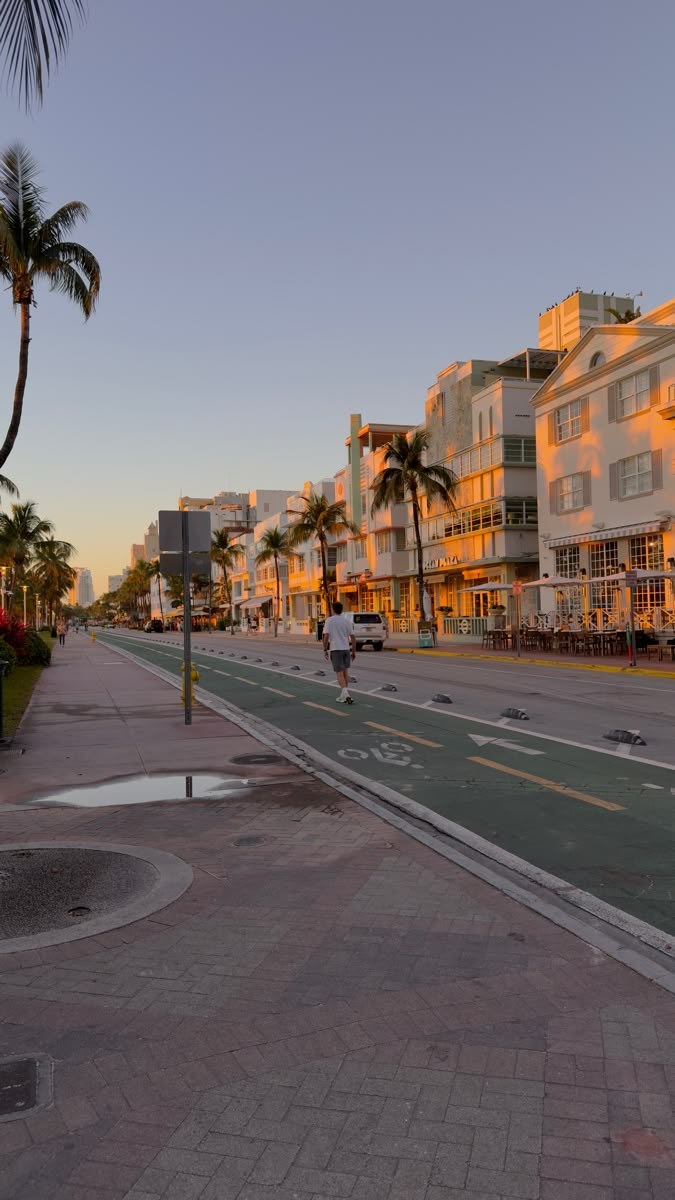
Miami's appeal is not accidental. It offers climate, tax advantages, beaches, culture, global connectivity, Latin American proximity, luxury architecture, nightlife, private wealth and an increasingly credible financial ecosystem. Few cities can combine those ingredients so effortlessly.
But the same qualities that make Miami magnetic also make it exposed. The city is expensive because people want the life it represents. It is risky because the physical environment that creates that life is changing. Hurricanes, flooding, insurance, condominium regulation and resilience costs are not outside the real-estate story. They are now inside the underwriting model.
That is why Miami is one of the most fascinating cities in this series. It does not ask whether real estate can survive remote work. It asks whether real estate can keep becoming more expensive in a place where the risk is increasingly measurable.
The answer may be yes --- but only for the right assets. Miami's future will likely reward buildings that combine location, quality, capital strength, insurance resilience and architectural desire. It will punish assets that depend only on the city's mythology.
Miami is not just a beach market anymore. It is not just a finance story either. It is a coastal experiment in how far wealth, design and institutional capital can push prices before climate risk demands a discount.
The dream is still powerful. The skyline is still rising. The water is still turquoise. But the market is no longer allowed to pretend that paradise has no operating costs.
References
- APA-STYLE SOURCE LIST · HOUSE OF MAJLIS · ALL RIGHTS RESERVED
- Bloomberg. (2023). New York and California each lost $1 trillion when financial firms moved south. Bloomberg.
- CBRE. (2026a). South Florida 2026 U.S. real estate market outlook midyear review. CBRE Research.
- CBRE. (2026b). Miami office figures report: Q2 2026. CBRE Research.
- Citizens Property Insurance Corporation. (2026). 2026 rate and rule changes. Citizens Property Insurance Corporation.
- Financial Times. (2024). Cost of Miami office space hits record high. Financial Times.
- Florida Department of Financial Services. (n.d.). Homeowners insurance overview. Consumer Services.
- Florida Senate. (2025). Florida Statutes, Section 718.112: Bylaws and structural integrity reserve study requirements.
- Florida Senate. (2026a). Florida Statutes, Section 553.899: Mandatory structural inspections for condominium and cooperative buildings.
- Florida Senate. (2026b). Florida Statutes, Section 718.111: Association property, insurance and common expenses.
- Knight Frank. (2026). The Wealth Report 2026: Prime International Residential Index. Knight Frank Research.
- Miami-Dade County. (n.d.-a). Sea level rise strategy. Miami-Dade County Office of Resilience.
- Miami-Dade County. (n.d.-b). Sea level rise and flooding. Miami-Dade County Office of Resilience.
- Miami Herald. (2022). Billionaire Ken Griffin moving Citadel hedge fund's corporate office to Miami from Chicago. Miami Herald.
- MIAMI REALTORS. (2026). South Florida luxury home market reaches new milestones. MIAMI REALTORS + RWorld.
- Redfin. (2026). Florida's luxury market pulls away from the pack, with Miami and Tampa posting double-digit price increases. Redfin News.
© 2026 House of Majlis. All rights reserved.
Back to the archive